


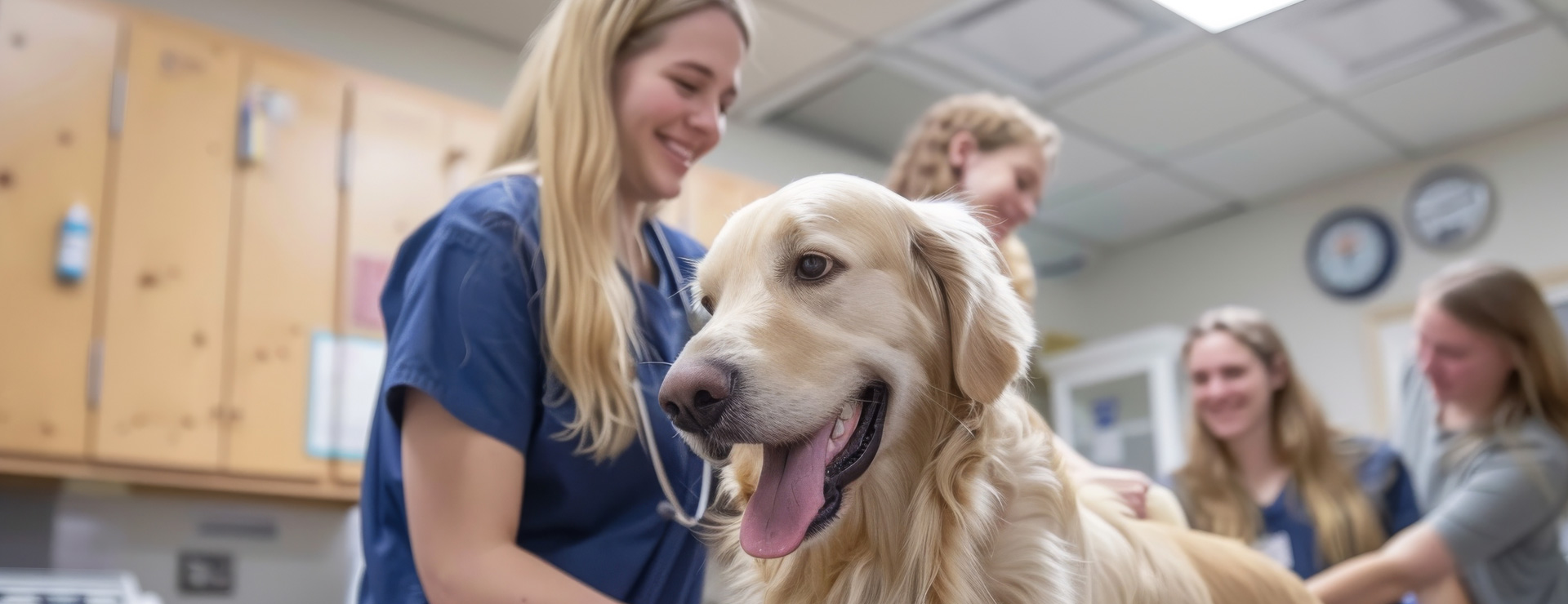
Dog and Cat Vaccines in Amherst, NS: Building a Schedule That Fits Your Pet


"My cat never goes outside. Does she still need shots?" "Is the Lyme vaccine worth it?" We get questions like these every week at Cumberland County Animal Hospital. The honest answer is that it depends on your pet. A dog who hikes the trails around Cumberland County every weekend faces different risks than a senior cat whose biggest adventure is the living room window.
That is why we build vaccine plans one pet at a time. Here is a look at the vaccines we talk about most, how we decide what your pet needs, and how vaccines fit into your pet's yearly wellness visit.
Key vaccines for dogs
- Rabies. A fatal virus that can spread to people. It is one of the most important vaccines your pet will ever get.
- Distemper. A serious virus that can affect the lungs, gut and nervous system.
- Parvovirus. A tough virus that lasts a long time in the environment and causes severe vomiting and diarrhea. Puppies are especially at risk.
- Adenovirus. The cause of infectious canine hepatitis.
- Leptospirosis. A bacterial infection spread through the urine of infected animals, often picked up from puddles, ponds and wet ground. It can also make people sick.
- Bordetella. One of the common causes of kennel cough. We often recommend it for dogs who board, visit groomers or spend time around other dogs.
Key vaccines for cats
- Rabies. Even indoor cats can be exposed. Bats sometimes get into homes, and plenty of indoor cats have slipped out an open door at least once.
- Feline leukemia (FeLV). A virus spread through close contact between cats. It matters most for kittens and cats who go outdoors.
- Feline distemper. Also called panleukopenia, this virus is highly contagious and can be deadly, especially for young kittens.
Thinking about whether your cat should go outside at all? Our post on indoor vs. outdoor cats walks through the pros and cons.
Ticks and Lyme disease in Nova Scotia
Ticks are very common in Nova Scotia, and we see many Lyme-positive dogs at our hospital. Our recommendation is simple: keep your dog on flea and tick prevention all year, not just in the warmer months, and talk to us about vaccinating for Lyme. With the right protection in place, most dogs can stay safe.
Dr. Mike has a personal connection to this topic. You can hear him talk about it in his Lyme disease podcast interview.
Puppy and kitten vaccine schedules
Young animals need a series of vaccines spaced a few weeks apart to build strong immunity. Puppies and kittens also need more frequent checkups in their first year, which gives us a chance to track growth, talk about nutrition and answer the many questions that come with a new pet. If you just brought home a kitten, our guide for new kitten owners is a good place to start.
After the first series, boosters keep that protection going. We will explain when each booster is due and why the timing matters.
How we avoid over-vaccinating
More vaccines are not always better. Our goal is to protect your pet fully against preventable diseases without giving shots they do not need. During your visit, we look at your pet's age, health history, lifestyle and possible exposure risks. A dog who goes to daycare and swims in ponds might need a different plan than a small dog who mostly stays in the yard. We follow current veterinary guidelines and adjust the plan as your pet's life changes.
Vaccines are one part of the yearly wellness exam
Pets age faster than we do, so a lot can change in a year. We recommend a wellness exam once a year for healthy adult pets. Puppies, kittens, seniors and pets with ongoing health concerns may need to come in more often.
During a wellness visit we:
- Check weight, heart rate and breathing
- Talk about diet, exercise and any changes in behaviour
- Review parasite prevention for fleas, ticks, heartworm and intestinal worms
- Look at the teeth, eyes, ears, skin and coat
- Recommend blood work, a urine test or a fecal test when it would help
These visits help us catch problems early and set baseline values we can compare against as your pet gets older.
Vaccines without the drive
If getting to the hospital is hard for your pet, we have options. Every Tuesday from 1 to 4pm, we offer house calls within Amherst town limits, and vaccinations are one of the services we can provide at home. We also hold monthly remote clinics in Tatamagouche and quarterly remote clinics in Parrsboro. Learn more on our services page, or call us to book.
Common questions about pet vaccines
Does my indoor cat really need vaccines?
In most cases, yes. Indoor cats have a lower risk for some diseases, but not zero. We will help you choose the vaccines that make sense for your cat's actual lifestyle.
Can I walk in for vaccines?
We recommend booking an appointment so your pet gets timely care. Walk-ins are accepted for emergencies, but scheduled appointments are given priority.
What should I bring to my pet's first visit?
Bring any previous vaccine records, a list of medications and supplements, and details about your pet's diet and health history. It also helps to write down your questions ahead of time.
Book your pet's vaccines in Amherst
Cumberland County Animal Hospital is located at 16 Ancestral Drive in Amherst, Nova Scotia, and is open Monday to Friday from 8:00am to 6:00pm. Learn more about our vaccination services, book an appointment online, or call (902) 612-2520.


The Latest
Indoor cats enjoy longer, healthier lives. Discover tips for keeping your cat safe, happy, and mentally engaged inside all year round.
Regular grooming is essential for your pet’s health, preventing mats, promoting a shiny coat, and removing debris. Trust professionals to ensure effective grooming.
Ensure a safe Halloween for your pets by keeping them away from chocolate, candy, and decorations that could be harmful or toxic to them.