


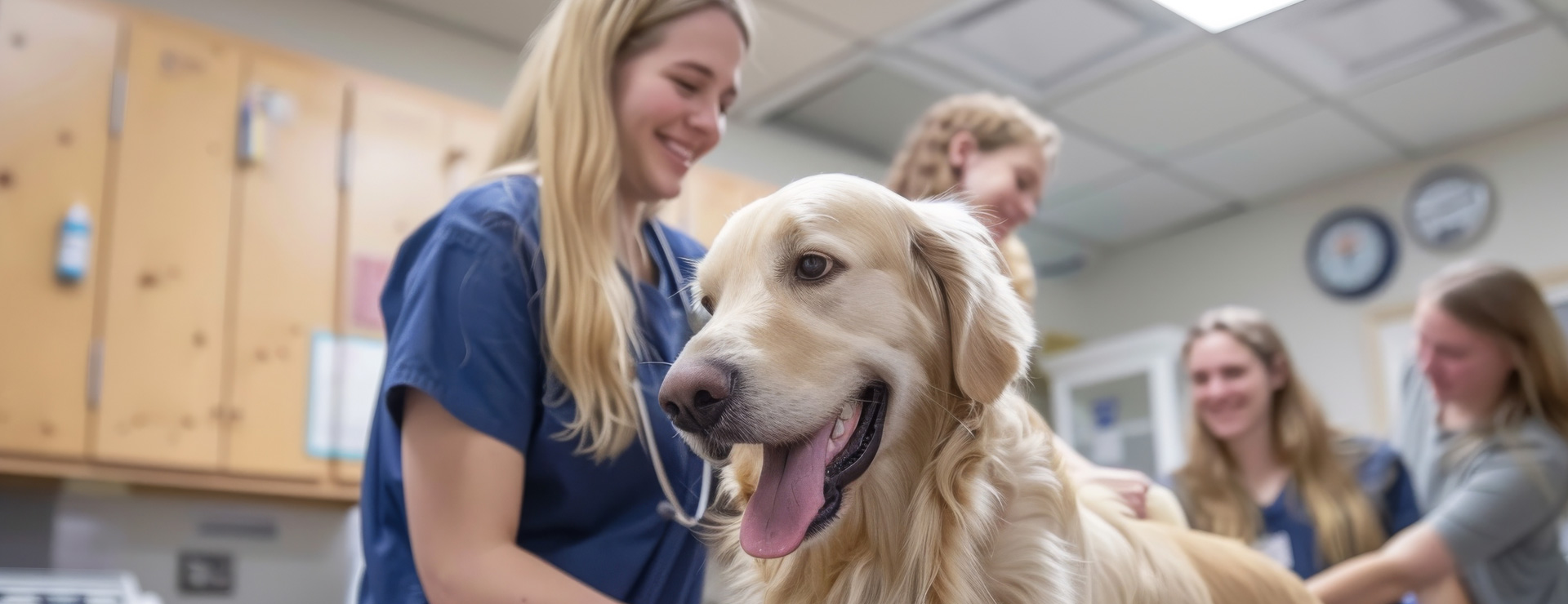
Pet Dental Care in Amherst, NS: What Dental X-Rays Show That We Can’t See


Most pets with sore teeth keep eating. That is what makes dental disease so easy to miss. A dog with a cracked molar or a cat with a painful tooth will usually find a way to get their food down, so the problem can go on for months before anyone notices. At Cumberland County Animal Hospital in Amherst, dental disease is one of the most common things we find during routine exams, and it often comes as a surprise to the family.
Below, we cover the signs to watch for at home, why we take dental x-rays, what happens on a dental day, and how you can protect your pet's mouth between visits.
Signs your dog or cat may have dental pain
Pets rarely cry out over a sore tooth. The signs tend to be small changes that are easy to write off as "just getting older." Keep an eye out for:
- Bad breath that does not go away
- Red, swollen or bleeding gums
- Brown or yellow buildup on the teeth
- Chewing on one side of the mouth or dropping food
- Pawing at the face or rubbing the muzzle along the floor
- More drooling than usual
- Less interest in hard treats or chew toys
- Grumpiness when the head or face is touched
Poor oral health can also show up as changes in behaviour. If you have noticed any of the signs above, book a wellness exam so one of our veterinarians can take a proper look.
Why we take dental x-rays
A large part of every tooth sits below the gum line, and that is where a lot of dental disease starts. A tooth can look perfectly normal on the surface while the root underneath is infected or the bone around it is breaking down. None of that is visible during an awake exam.
Dental x-rays are a key part of how we approach veterinary dentistry. They let us see roots, bone and hidden fractures, so we treat the real problem instead of guessing. This matters for more than the mouth. Bacteria from infected teeth can spread to vital organs, which is one more reason we take dental health seriously.
What happens on your pet's dental day
A thorough cleaning and assessment can only be done while a pet is under general anesthesia. We know that word makes a lot of people nervous, so here is how we keep things as safe as we can:
- A full physical exam and pre-anesthetic testing before the procedure. Our in-house lab lets us check blood work quickly so we know how your pet's organs are doing.
- Anesthesia selected for your pet based on their age, size and overall health.
- Close monitoring the entire time your pet is asleep.
- Pain management that continues through recovery.
Our hospital has a dedicated dental area alongside our surgical suite. If treatment is needed, we give you a detailed estimate and go over the options with you before we begin, just as we do for any procedure.
"Isn't my pet too old for anesthesia?"
We hear this question a lot from owners of senior dogs and cats. Dr. Mike likes to say that age is not a disease. What matters is your pet's overall health, and that is exactly what blood work and a physical exam tell us.
One of his most memorable patients was a 13 year old Labrador with severe dental disease. His family was understandably worried about anesthesia. After a long conversation and good results on his blood work, they decided to go ahead. The next day, even with several teeth removed, he went home and ate his regular kibble for the first time in over a year. For many older pets, treating dental pain brings back a level of comfort their families did not realize was missing.
Caring for your pet's teeth at home
Professional care works best when it is paired with good habits at home. A few ideas to talk over with our team:
- Brushing. Daily brushing with a pet toothpaste does the most good. Never use human toothpaste, since some ingredients are not safe for pets.
- Go slowly. Let your pet lick a bit of toothpaste off your finger first, then work up to a brush over a couple of weeks.
- Dental diets and chews. Some products help slow plaque buildup. Ask us which ones make sense for your pet before you buy.
- Regular checkups. We look at the teeth during every wellness exam, which helps us catch problems while they are still small.
Spreading out the cost of dental care
Dental treatment is an investment in your pet's comfort and long-term health. If it helps to spread out the cost, we offer financing through Humm, including 6 and 12 month zero-interest payment plans on eligible purchases. You can apply online in a few minutes. We also accept Visa, MasterCard, American Express, debit and cash.
Common questions about pet dental care
How often does my pet need a dental cleaning?
It depends on the pet. Some breeds, and some individual animals, build up tartar much faster than others. We check your pet's mouth at every wellness exam and will let you know when a cleaning is due.
Do cats need dental care too?
Yes. Cats are very good at hiding mouth pain, so regular dental checks are just as important for them as they are for dogs.
Can a new client book a dental assessment?
Of course. You can fill out our new client form ahead of time so your pet is already on file, then call us or request an appointment online.
Book a dental exam in Amherst
Cumberland County Animal Hospital is a CVMA and NSVMA accredited animal hospital at 16 Ancestral Drive in Amherst, Nova Scotia, open Monday to Friday from 8:00am to 6:00pm. If your pet has bad breath, has changed the way they eat, or you can't remember the last time their teeth were checked, book an appointment or call us at (902) 612-2520.


The Latest
Indoor cats enjoy longer, healthier lives. Discover tips for keeping your cat safe, happy, and mentally engaged inside all year round.
Regular grooming is essential for your pet’s health, preventing mats, promoting a shiny coat, and removing debris. Trust professionals to ensure effective grooming.
Ensure a safe Halloween for your pets by keeping them away from chocolate, candy, and decorations that could be harmful or toxic to them.