


Spaying and Neutering in Amherst, NS: What to Expect on Surgery Day


Deciding to spay or neuter your pet is one of the first big health choices you will make together. It is also one of the most common surgeries we perform at Cumberland County Animal Hospital in Amherst. If you have questions about the benefits, the safety of anesthesia, or what recovery looks like at home, this post is for you.
Why spay or neuter?
Spaying female pets
Spaying prevents pregnancy and lowers the risk of several health problems, including uterine infections, reproductive diseases and certain cancers. It also ends heat cycles, which many families are happy to leave behind.
Neutering male pets
Neutering reduces the chance of prostate and testicular cancers. It can also cut down on behaviours like roaming, fighting and spraying, which helps keep male dogs and cats safer and makes life at home easier.
A common worry is that surgery will change who your pet is. It won't. Your pet's personality stays the same.
How we keep surgery safe
Your pet's safety comes first from the moment they arrive. On surgery day, here is what happens:
- Physical exam and pre-anesthetic tests. We check your pet over and run blood work in our in-house lab to make sure they are ready for anesthesia.
- Anesthesia chosen for your pet. We select anesthesia based on your pet's individual needs, not a one-size-fits-all approach.
- Monitoring during surgery. Your pet is watched closely throughout the procedure in our surgical suite.
- Pain management. Pain control continues through recovery.
- Recovery through the day. We keep a close eye on your pet as they wake up. When you come for pickup, we go over the aftercare instructions and answer any questions.
Helping your pet recover at home
We will send you home with instructions specific to your pet, and those always come first. In general, a smooth recovery looks like this:
- Keep your pet quiet and limit running, jumping and rough play while the incision heals.
- Use the cone or recovery suit if one is sent home. Licking is one of the most common causes of incision problems.
- Check the incision once or twice a day. Call us if you see swelling, discharge, a gap in the skin, or if your pet seems painful or stops eating.
- Keep the incision dry and skip baths until we tell you it is okay.
If something does not seem right, call us at (902) 612-2520. We would always rather hear from you early.
Other surgeries we perform
Spays and neuters are only part of what our surgical services cover. We also perform soft tissue surgeries, which involve parts of the body other than bone. A common example is removing lumps and masses. Early removal matters in case a mass turns out to be cancerous. We also perform surgery for eye conditions such as chronic infections and entropion, which can make a big difference in a pet's comfort and vision.
For advanced procedures that need specialized training or equipment, we refer patients to board-certified veterinary surgeons so your pet gets the right care.
How we help control the cat population in our community
Cat overpopulation is a real problem in our area, and spay and neuter surgery is the most effective way to tackle it. We are proud to be involved in several programs:
Mama Cat and Kitten Program
If you or someone you know has a mother cat with a litter, we can help. We test the mother for feline leukemia and feline immunodeficiency virus. If the results are negative, we spay her at a reduced cost. We then take in the kittens, spay or neuter them, treat them for parasites, vaccinate them and adopt them out to loving families. Their first year of preventive care is included in the adoption fee. Since the program started in 2021, it has found homes for 166 kittens, and our manager Jodi has adopted a few herself.
Carma Days
We partner with Moncton CARMA to spay and neuter their adoptable cats and kittens so they can find forever homes. These surgeries are booked directly through CARMA.
Trap Neuter Release
We also work with TNR Parrsboro to spay and neuter feral cats. Each cat is ear-tipped to show it has been altered, then returned to its colony.
Our international volunteer work
Our team's spay and neuter work extends past Nova Scotia. Through international volunteer trips, we have helped more than 1,500 animals in Costa Rica, Ecuador and Aruba. You can learn how to support this work on our Support Us page.
Paying for surgery
We will always give you a detailed estimate before any procedure. If you would like to spread out the cost, Humm financing offers 6 and 12 month zero-interest payment plans on eligible purchases, and you can get a credit decision online in as little as 7 minutes.
Common questions about spaying and neutering
When should I spay or neuter my pet?
The best timing depends on your pet's species, breed and size. We will talk through it with you during your puppy or kitten visits.
Will my pet act differently after surgery?
Your pet's personality will not change. Some unwanted behaviours, like roaming or spraying, often decrease after neutering.
I found a mother cat and kittens. What should I do?
Give us a call or send us a message to ask about our Mama Cat and Kitten Program.
Book a spay or neuter in Amherst
Cumberland County Animal Hospital is a CVMA and NSVMA accredited hospital at 16 Ancestral Drive in Amherst, Nova Scotia. We are open Monday to Friday from 8:00am to 6:00pm. To talk about surgery for your dog or cat, book an appointment or call (902) 612-2520.


The Latest
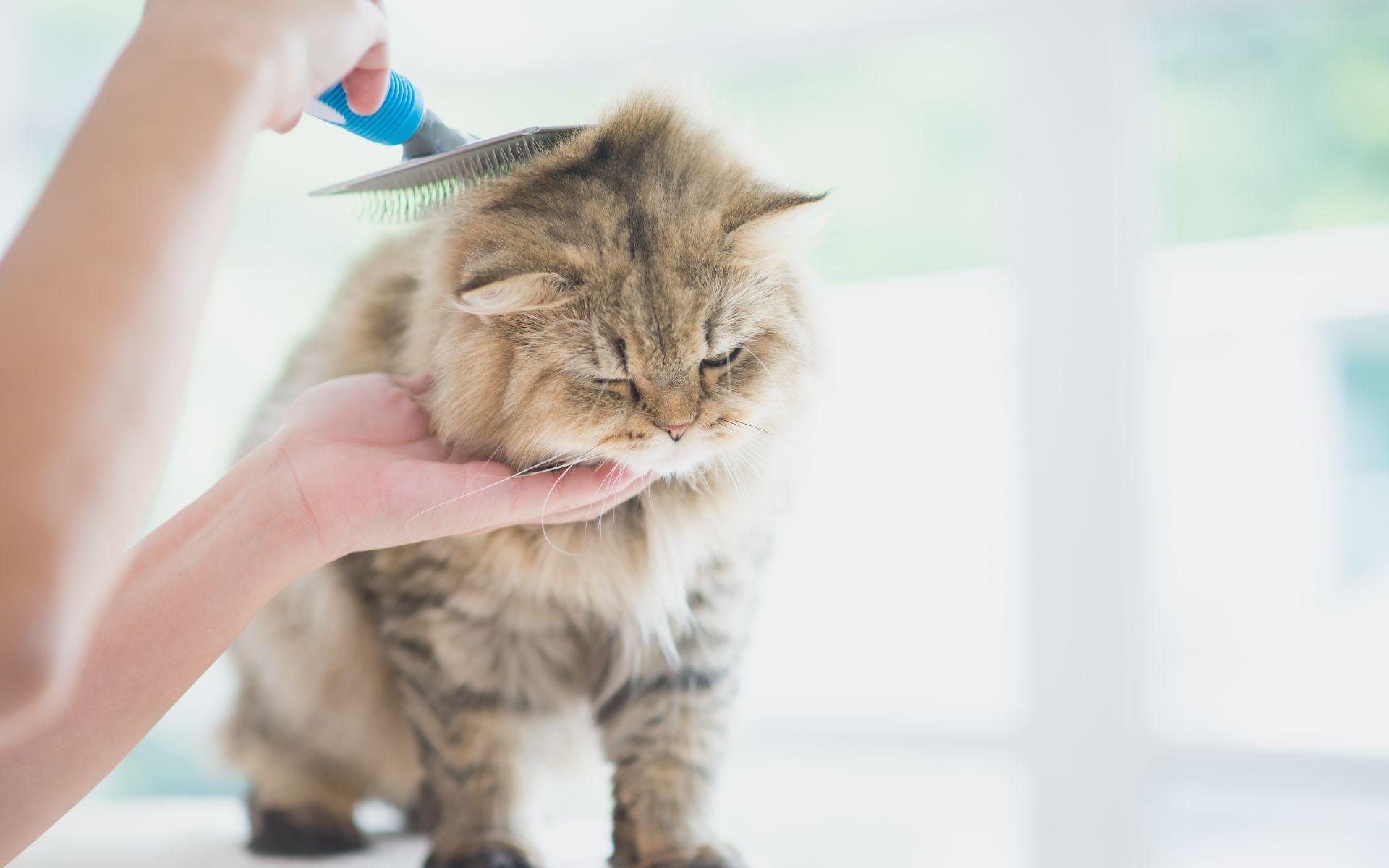
Indoor cats enjoy longer, healthier lives. Discover tips for keeping your cat safe, happy, and mentally engaged inside all year round.
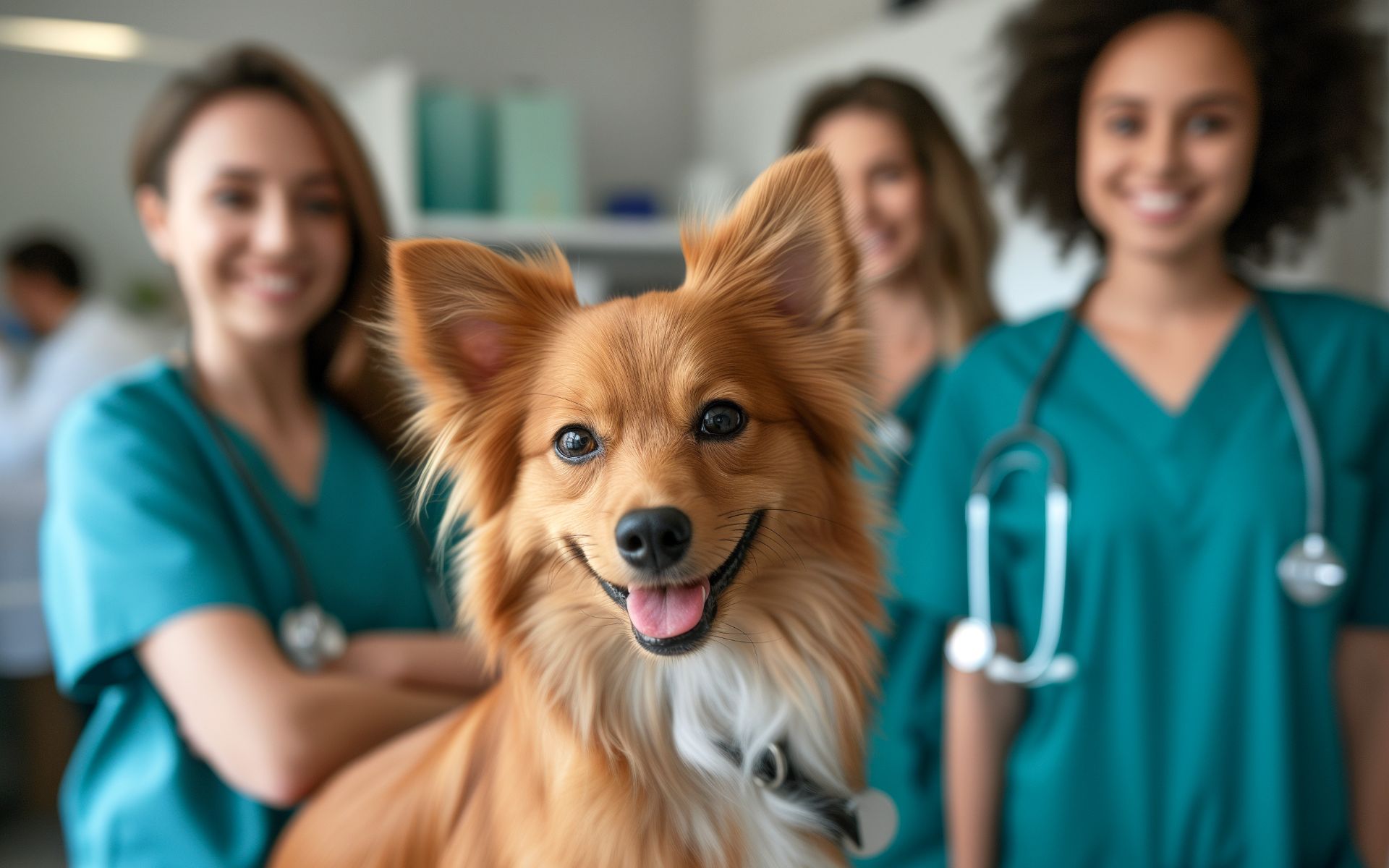
Regular grooming is essential for your pet’s health, preventing mats, promoting a shiny coat, and removing debris. Trust professionals to ensure effective grooming.
Ensure a safe Halloween for your pets by keeping them away from chocolate, candy, and decorations that could be harmful or toxic to them.