


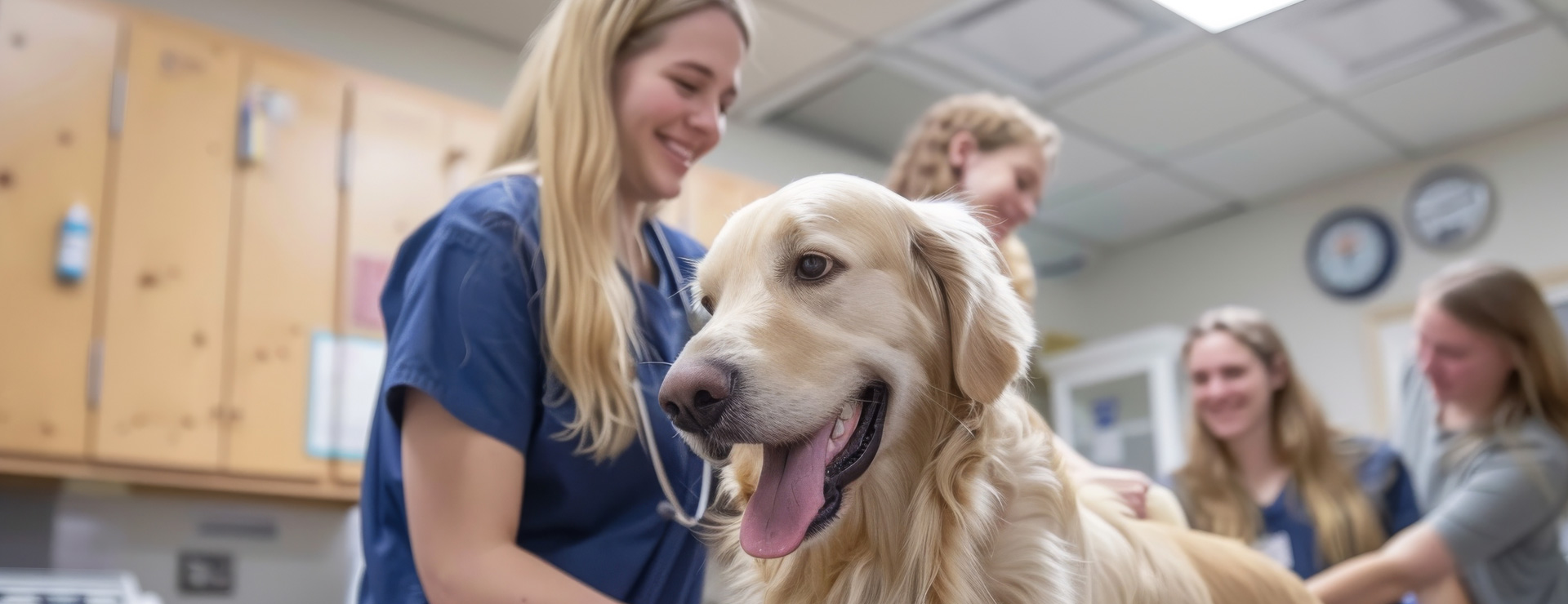
In-House Lab Testing and Digital X-Rays: How Our Amherst Vets Find Answers Faster


Pets can't tell us where it hurts. A dog who is drinking more water than usual or a cat who suddenly stops using the litter box is telling us something is off, but not what. That is where diagnostic testing comes in.
At Cumberland County Animal Hospital in Amherst, we have an in-house laboratory and digital x-ray right in the building. Here is what that means for your pet and the kinds of tests we run most often.
Why in-house testing matters
When tests can be run on site, we can detect and manage health concerns without delay. That is especially important when your pet is sick or hurt and you need answers. It also means fewer trips and less waiting for you. Once results are in, our team explains what they mean in plain language and works with you on a treatment plan.
The tests we run most often
Blood tests
Blood work gives us a look at how your pet's organs are working, including the kidneys and liver. It can point to infection, anemia, diabetes and other conditions that are not obvious on a physical exam. We also run blood work before anesthesia to make sure surgery and dental procedures are as safe as possible.
Urinalysis
A urine test can help us find urinary tract infections, crystals, kidney problems and signs of diabetes. If your pet is peeing more, peeing less, straining or having accidents in the house, a urinalysis is often one of the first tests we recommend.
Parasite screening
Many intestinal parasites never show up in the stool where you can see them. A fecal test lets us check for worms and other parasites so we can treat them before they cause problems for your pet or your family.
Skin and ear cytology
Itchy skin and ear infections are some of the most common reasons pets come to see us. Cytology means looking at a sample from the skin or ear under a microscope. It tells us whether we are dealing with yeast, bacteria or something else, so we can choose the right treatment instead of guessing.
Skin health is a special interest for Dr. Monique. She has a particular passion for dermatology and is currently taking further training in feline dermatology.
Digital x-rays
X-rays are still one of the most useful tools we have. Our digital system produces clear, detailed images of your pet's internal structures. We use them to find fractures, swallowed objects and other abnormalities. We also use dental x-rays to spot problems below the gum line. You can read more about that in our post on pet dental care.
When we recommend diagnostic testing
- At wellness visits. Testing healthy pets gives us baseline values we can compare against later. That makes it easier to spot small changes before they become big problems, especially in senior pets.
- Before anesthesia. Pre-anesthetic tests are part of every surgery and dental procedure we do.
- When your pet is sick. Vomiting, diarrhea, weight loss, low energy and changes in thirst or appetite all call for a closer look.
- In urgent situations. During an urgent care visit, digital x-rays and in-house lab work help us figure out what is going on quickly.
- To track a treatment. Follow-up testing shows us whether a treatment is working and whether we need to adjust the plan.
From results to a treatment plan
Test results are only useful if they lead to good decisions. Once we have a diagnosis, we put together a plan built around your pet. That might mean medication, surgery or ongoing care. We will walk you through the options and give you a detailed estimate before starting any treatment. If your pet's case needs more specialized care, we work with trusted specialists and can arrange a referral.
Testing outside the hospital
Some samples can be collected away from the clinic. Our Tuesday afternoon house calls within Amherst town limits include blood collection and skin and ear cytology sampling. Our remote clinics in Tatamagouche (monthly) and Parrsboro (quarterly) also offer blood draws and cytology sampling. Call us to find out if your pet's tests can be done this way.
Common questions about pet diagnostics
Does my pet need to fast before blood work?
Sometimes. It depends on which tests we are running. We will let you know when you book.
How quickly will I get results?
Because many of our tests are run in our own lab, we can often share results quickly. Our team will explain what they mean and what comes next.
Why would a healthy pet need blood work?
Blood work on a healthy pet gives us a baseline. If something changes later, we have a clear picture of what normal looks like for your pet.
Book diagnostic testing in Amherst
Cumberland County Animal Hospital is at 16 Ancestral Drive in Amherst, Nova Scotia, and is open Monday to Friday from 8:00am to 6:00pm. Learn more about our diagnostic services, book an appointment or call (902) 612-2520.


The Latest
Indoor cats enjoy longer, healthier lives. Discover tips for keeping your cat safe, happy, and mentally engaged inside all year round.
Regular grooming is essential for your pet’s health, preventing mats, promoting a shiny coat, and removing debris. Trust professionals to ensure effective grooming.
Ensure a safe Halloween for your pets by keeping them away from chocolate, candy, and decorations that could be harmful or toxic to them.