


What Should I Feed My Dog or Cat? Nutrition and Special Diet Advice From Our Amherst Vets


Walk down any pet food aisle and you will see dozens of choices: puppy food, senior food, grain-free, weight control, and more. It is no wonder so many pet owners ask us the same question. What should I be feeding my dog or cat?
At Cumberland County Animal Hospital in Amherst, Nova Scotia, proper nutrition is a key part of the preventive care we provide. Every pet is different, so our team gives dietary recommendations based on your pet's unique needs. This guide explains how we approach nutrition and how we can help you choose the right diet.
Why there is no one-size-fits-all pet diet
The right diet depends on your pet. Their age, breed, activity level and health all play a part. A growing kitten, an active working dog and a senior cat with a health condition have very different needs. That is why we look at the whole picture before making a recommendation, and why we give lifestyle guidance tailored to your pet's breed, age and activity level.
How we talk about nutrition at your pet's wellness exam
Diet is part of every wellness exam. Along with a detailed physical exam, we talk with you about your pet's diet, exercise and any behaviour changes. If needed, we may recommend diagnostic tests like blood work or urinalysis. These help us evaluate organ function, detect hidden conditions and establish baseline values that we can track over time, which can shape what we recommend your pet eats.
Special diets and supplements for health conditions
Some pets need more than a standard diet. Our team provides recommendations that include special diets or supplements to address specific health conditions. If your pet has been diagnosed with a health issue, ask us whether a change in diet could be part of their care plan.
When eating habits are a sign of a health problem
Changes in how your pet eats can be one of the first signs that something is wrong. Call us if your pet:
- Stops eating or eats much less than usual.
- Has trouble eating, such as chewing on one side or dropping food. Dental pain can cause difficulty eating, so see our guide to pet dental care.
- Seems hungrier or thirstier than normal.
- Gains or loses weight without a change in their food or routine.
Diagnostic tools like blood work and urinalysis can help us find out what is going on. Learn more about our in-house diagnostics.
Nutrition at every life stage
- Puppies and kittens. Young pets are growing quickly, and their first visits are a great time to set up good habits. New kitten owners can start with our guide for new kitten owners.
- Adult pets. Regular checkups help us adjust recommendations as your pet's activity level and lifestyle change.
- Senior pets. Older pets often have different needs. Read our guide to caring for senior dogs and cats.
What to bring to your appointment
To help us give the best advice, come prepared with a few details:
- The name of your pet's food and how much you feed each day.
- Treats and table scraps, including how often your pet gets them.
- Any supplements or medications your pet is taking.
- Changes you have noticed in appetite, thirst, weight or energy.
You can also log in to your Pet Portal from our Resources page to check vaccination due dates, request medication refills and keep your contact information up to date.
Frequently asked questions
What should I feed my dog or cat?
The best diet depends on your pet's age, breed, activity level and health. Our veterinarians give dietary recommendations based on your pet's unique needs, so the best place to start is a conversation at your pet's wellness exam.
Does my pet need a special diet?
Some pets with specific health conditions benefit from special diets or supplements. Our team can tell you whether a special diet makes sense for your pet.
Why did my dog or cat stop eating?
A change in appetite can be a sign of a health problem, including dental pain. If your pet stops eating or has trouble eating, call your veterinarian to book an exam.
Can blood work help with my pet's diet?
Blood work and urinalysis help evaluate organ function, detect hidden conditions and establish baseline values. These results can help guide diet recommendations.
Do you give nutrition advice in Amherst, NS?
Yes. Cumberland County Animal Hospital provides dietary recommendations as part of our wellness care for dogs and cats in Amherst and nearby communities.
Get diet advice for your pet in Amherst
Cumberland County Animal Hospital is a CVMA and NSVMA accredited hospital at 16 Ancestral Drive in Amherst, Nova Scotia, open Monday to Friday from 8:00am to 6:00pm. If you have questions about what to feed your dog or cat, call (902) 612-2520 or book an appointment. Learn more about our wellness care.


The Latest
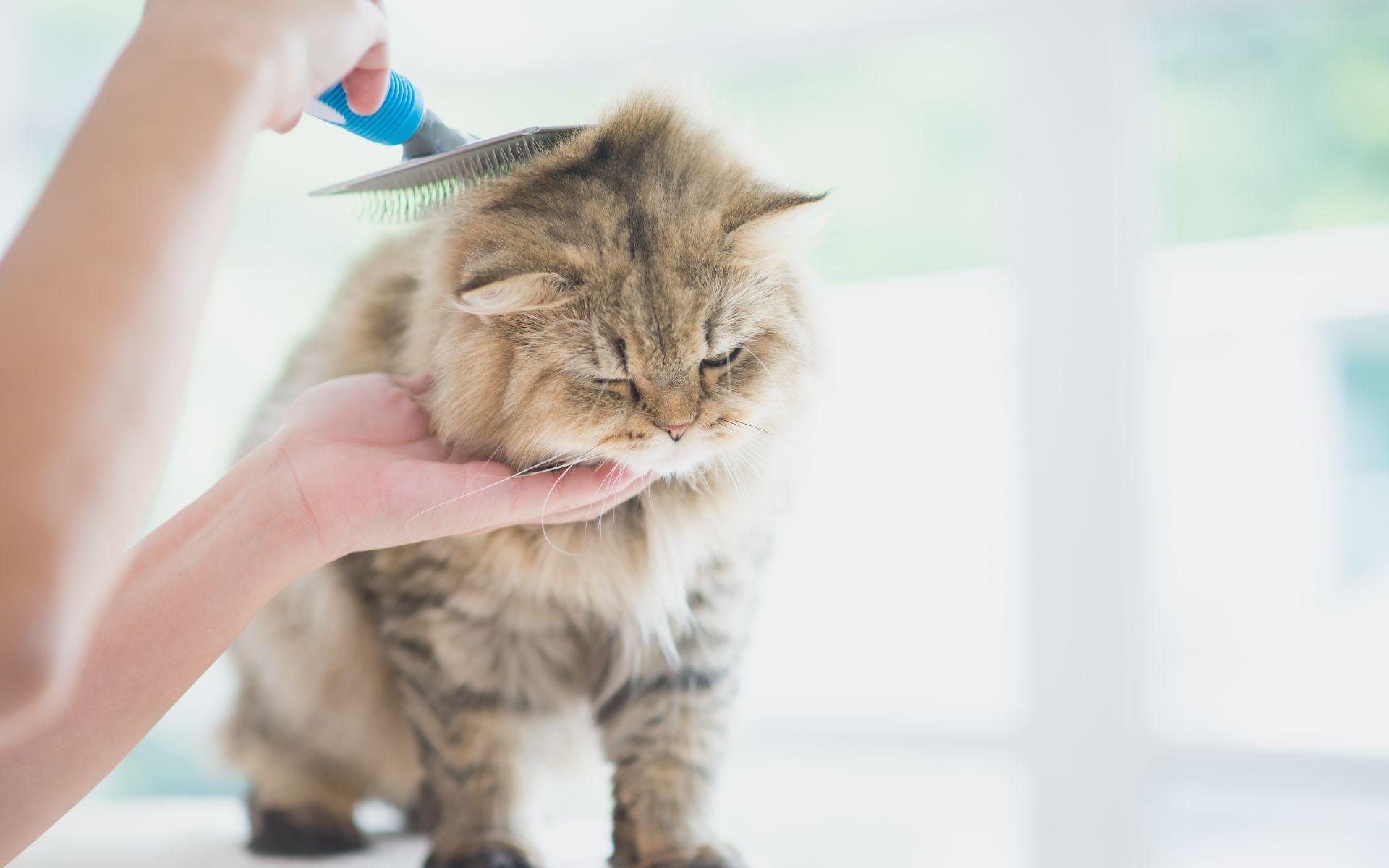
Indoor cats enjoy longer, healthier lives. Discover tips for keeping your cat safe, happy, and mentally engaged inside all year round.
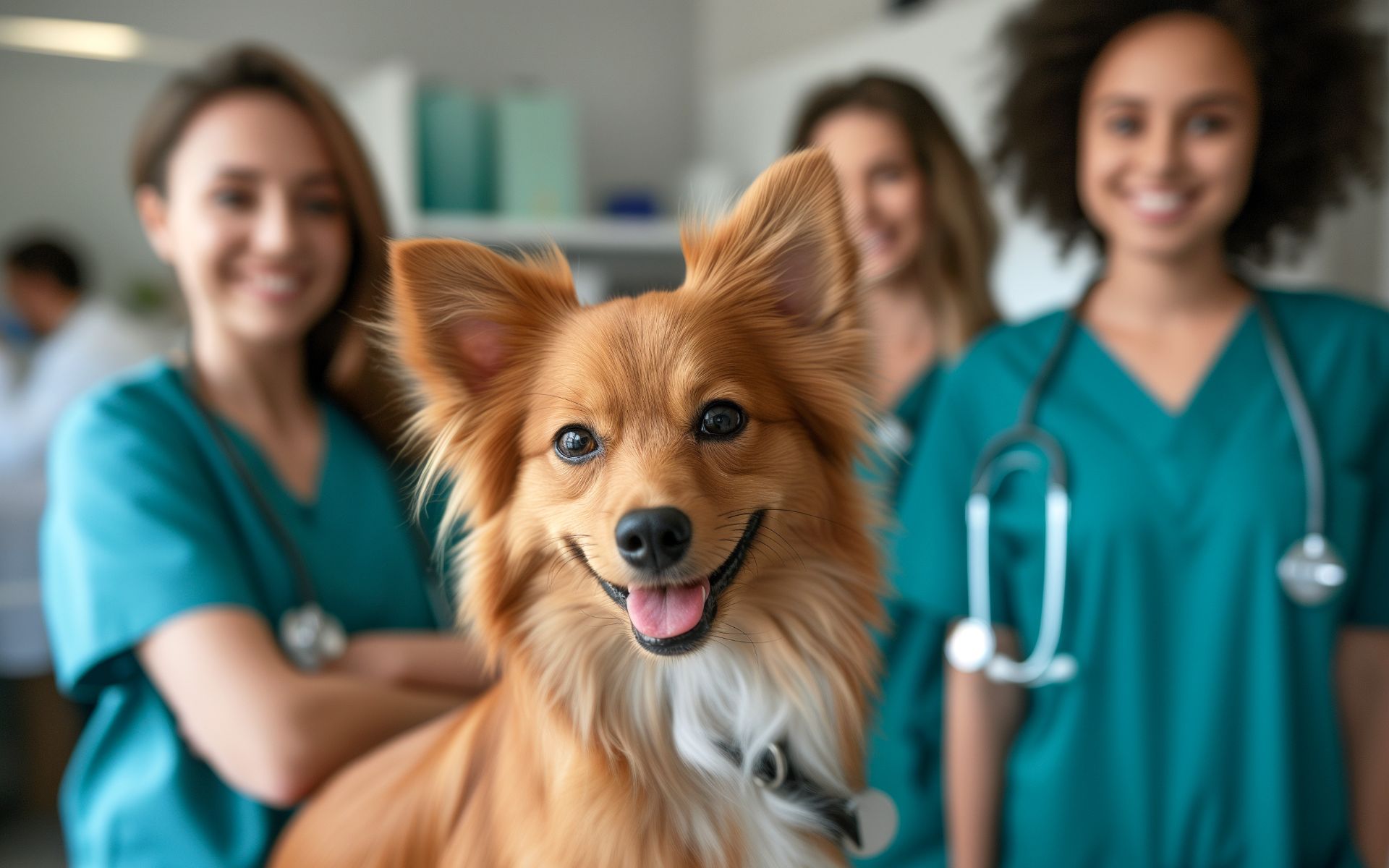
Regular grooming is essential for your pet’s health, preventing mats, promoting a shiny coat, and removing debris. Trust professionals to ensure effective grooming.
Ensure a safe Halloween for your pets by keeping them away from chocolate, candy, and decorations that could be harmful or toxic to them.