


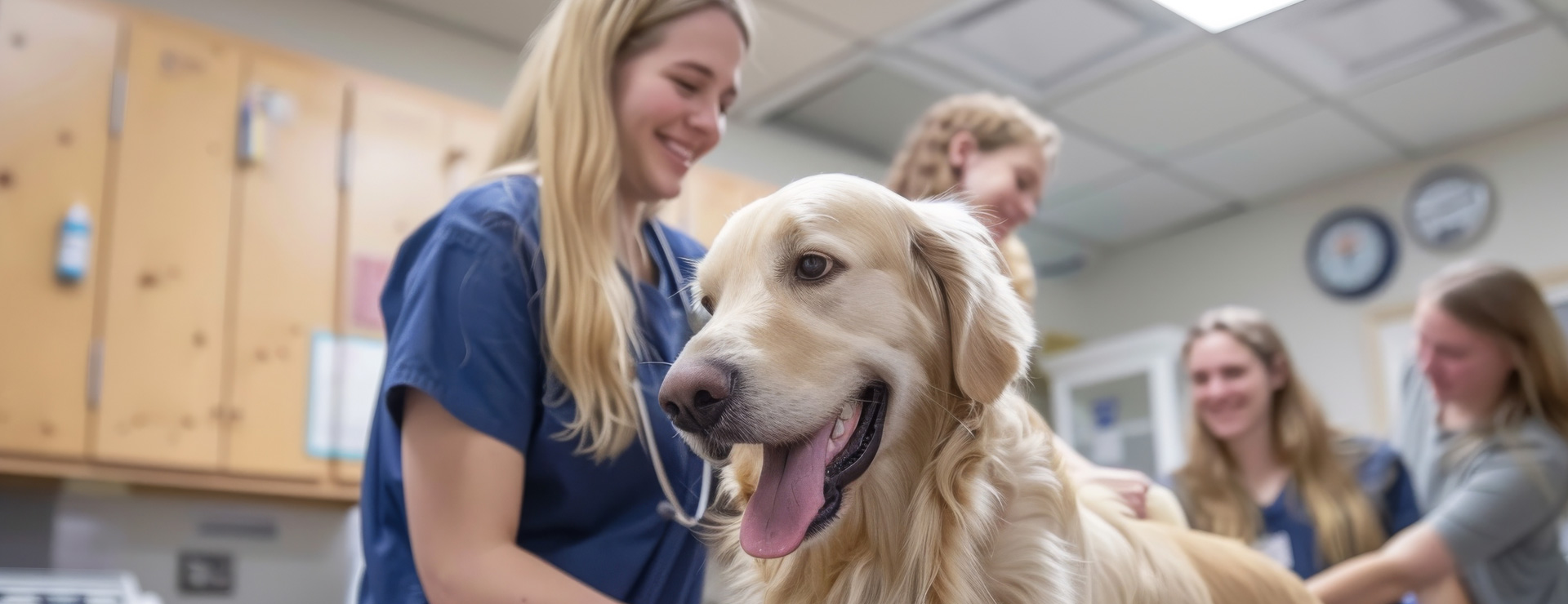
What Happens at a Pet Wellness Exam? A Guide From Our Amherst Vets


When your pet seems healthy, it is easy to put off a checkup. But pets age faster than people, and many health problems start quietly, long before you would notice anything at home. That is why wellness care is the cornerstone of our approach at Cumberland County Animal Hospital in Amherst, Nova Scotia. By focusing on prevention and early detection, we can catch concerns early and help your pet live a long, active life.
Here is what happens during a wellness exam, which tests we may recommend, and how often your dog or cat should come in.
How often should my pet have a wellness exam?
We recommend a wellness exam once a year for healthy adult pets. Some pets need to come in more often:
- Puppies and kittens, who need a series of vaccines and checkups as they grow
- Senior pets, whose health can change more quickly
- Pets with ongoing health conditions
Because pets age faster than we do, a lot can change in a single year. A yearly visit gives us a regular chance to spot those changes.
What we check during the exam
Every wellness visit starts with a detailed physical assessment. Your pet is weighed at every visit, and we check:
- Weight
- Heart rate
- Breathing and respiratory health
- Teeth, eyes, ears, skin and coat
Dental health deserves special attention. Many dental problems develop below the gum line where you cannot see them, and pets rarely show that they are in pain. If we see signs of trouble, we may recommend a dental exam with x-rays. Our post on pet dental care explains why.
Talking about diet, exercise and behaviour
A wellness exam is also a conversation. We will ask about your pet's diet, exercise and any changes in behaviour you have noticed. Your pet's behaviour often reflects their overall well-being.
- Nutrition: We give dietary recommendations based on your pet's needs, including special diets or supplements for specific health conditions.
- Behaviour: Our veterinarians are experienced in identifying and addressing issues like anxiety or aggression, and we offer behaviour counselling and practical training advice.
- Lifestyle: We tailor guidance to your pet's breed, age and activity level, from exercise to mental stimulation and socialization.
Vaccines and parasite prevention
Vaccines are one part of the yearly visit. Our veterinarians build a vaccination schedule around your pet's age, lifestyle and risk factors, so your pet is fully protected without getting vaccines they do not need. Learn more in our guide to dog and cat vaccines in Amherst.
We also review parasite prevention for fleas, ticks, heartworm and intestinal parasites. Ticks are very common in Nova Scotia, and we recommend keeping dogs on flea and tick prevention all year. Our post on flea, tick and heartworm prevention goes into more detail.
Tests we may recommend
When it would help, we may recommend diagnostic testing such as:
- Blood work
- Urinalysis
- Fecal exams
- Imaging, such as digital x-rays
These tests help us evaluate organ function, find hidden conditions and set baseline values we can compare against as your pet gets older. Our in-house laboratory lets us run many of these tests right at the hospital, so results come back quickly.
How to get the most out of your pet's visit
- Bring any previous records, especially if this is your pet's first visit with us.
- Bring your pet's medications, including supplements.
- Write down your questions and concerns ahead of time. We love questions.
- Make a note of any changes you have seen at home, such as in appetite, energy or behaviour.
Wellness exams without the drive
If travelling is hard on your pet, we can come to you. Every Tuesday from 1 to 4pm, we offer house calls within Amherst town limits, and wellness exams are one of the services we provide at home. We also hold monthly remote clinics in Tatamagouche and quarterly remote clinics in Parrsboro. Read more about house calls and remote clinics.
Common questions about pet wellness exams
How often should my pet have a wellness exam?
We recommend a wellness exam once a year for healthy adult pets. Puppies, kittens, senior pets and pets with health issues may need more frequent checkups.
Does my pet need blood work at every wellness visit?
Not always. We recommend blood work, urinalysis, fecal exams or x-rays when they would help, for example to evaluate organ function or set baseline values for long-term monitoring.
Can my pet have a wellness exam at home?
Yes. We offer house calls every Tuesday from 1 to 4pm within Amherst town limits, and wellness exams are included. Please call the hospital to book.
What types of pets do you see for wellness care?
We primarily treat dogs and cats, and we also provide care for small mammals and birds. Please contact us to ask about specific services.
Book a wellness exam in Amherst
Cumberland County Animal Hospital is located at 16 Ancestral Drive in Amherst, Nova Scotia, and is open Monday to Friday from 8:00am to 6:00pm. Learn more about our wellness care services, book an appointment online, or call (902) 612-2520.


The Latest
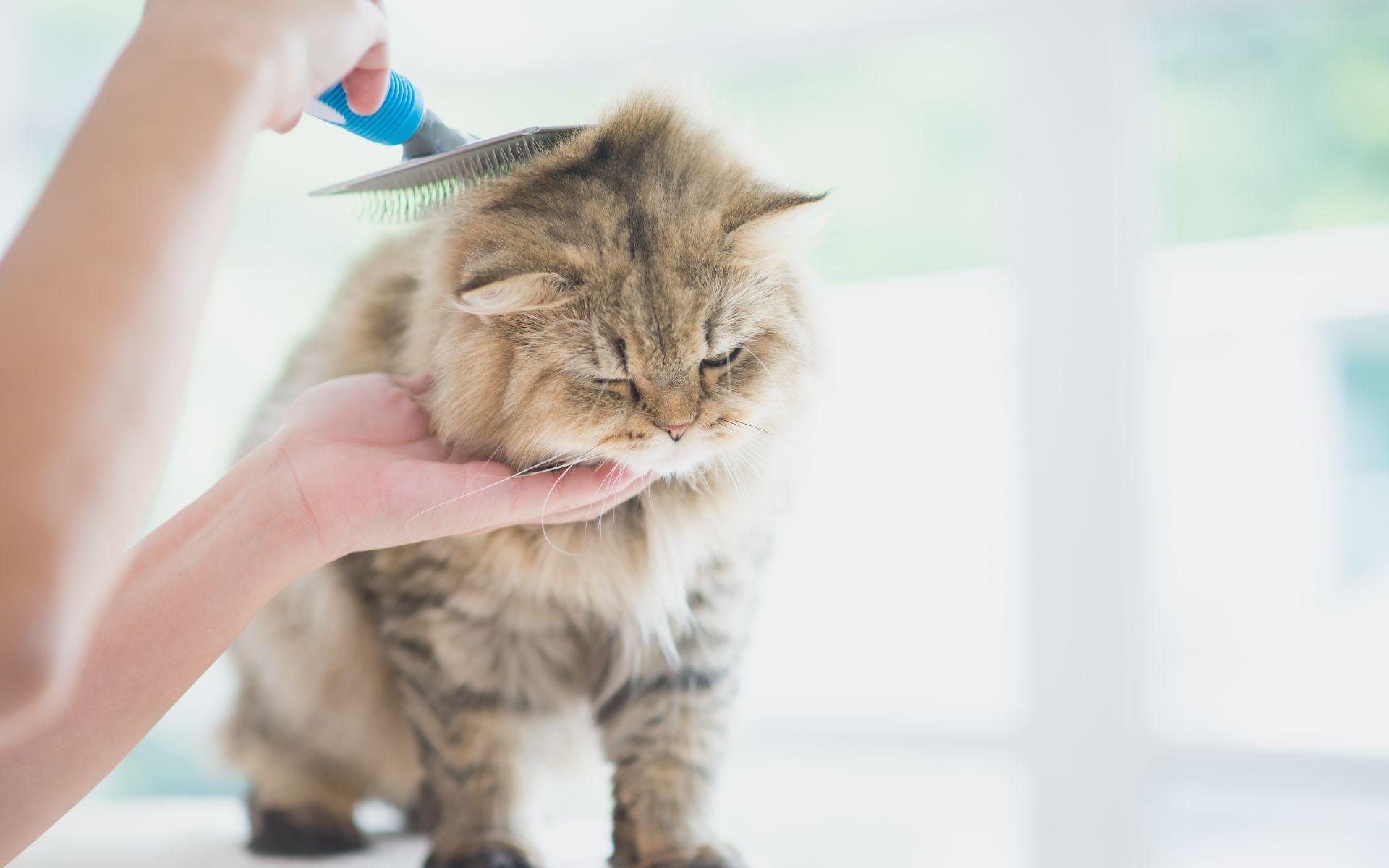
Indoor cats enjoy longer, healthier lives. Discover tips for keeping your cat safe, happy, and mentally engaged inside all year round.
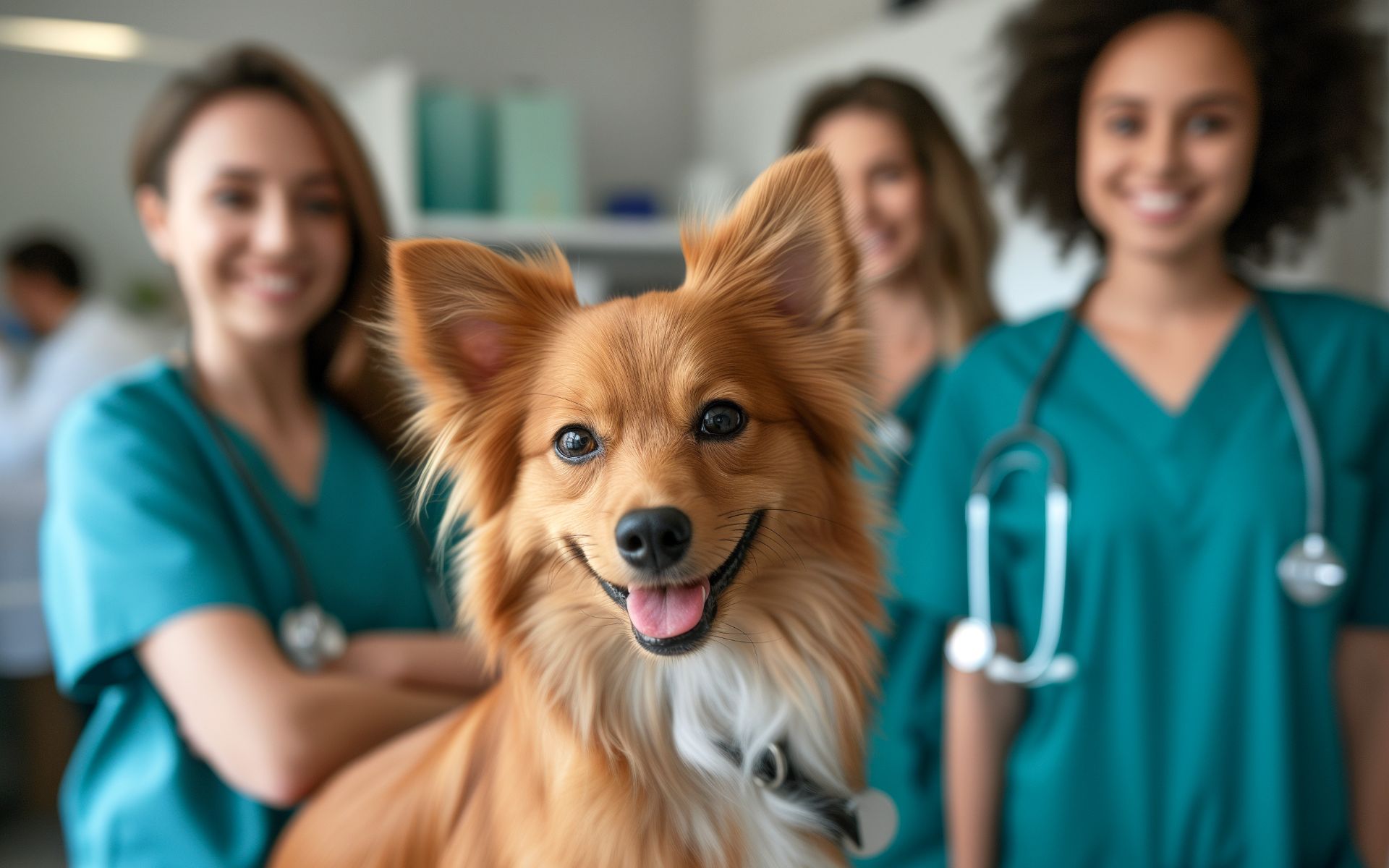
Regular grooming is essential for your pet’s health, preventing mats, promoting a shiny coat, and removing debris. Trust professionals to ensure effective grooming.
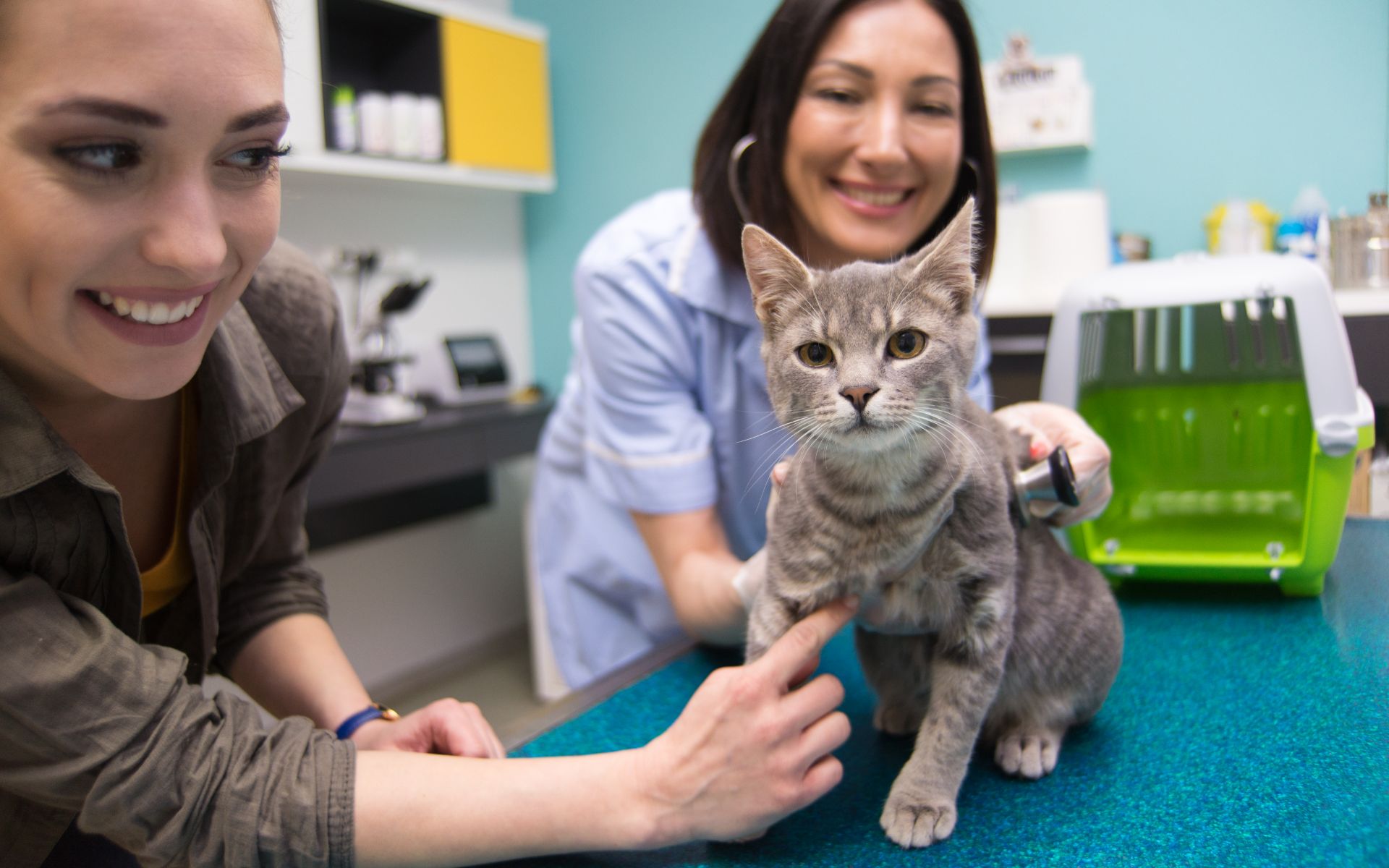
Ensure a safe Halloween for your pets by keeping them away from chocolate, candy, and decorations that could be harmful or toxic to them.