


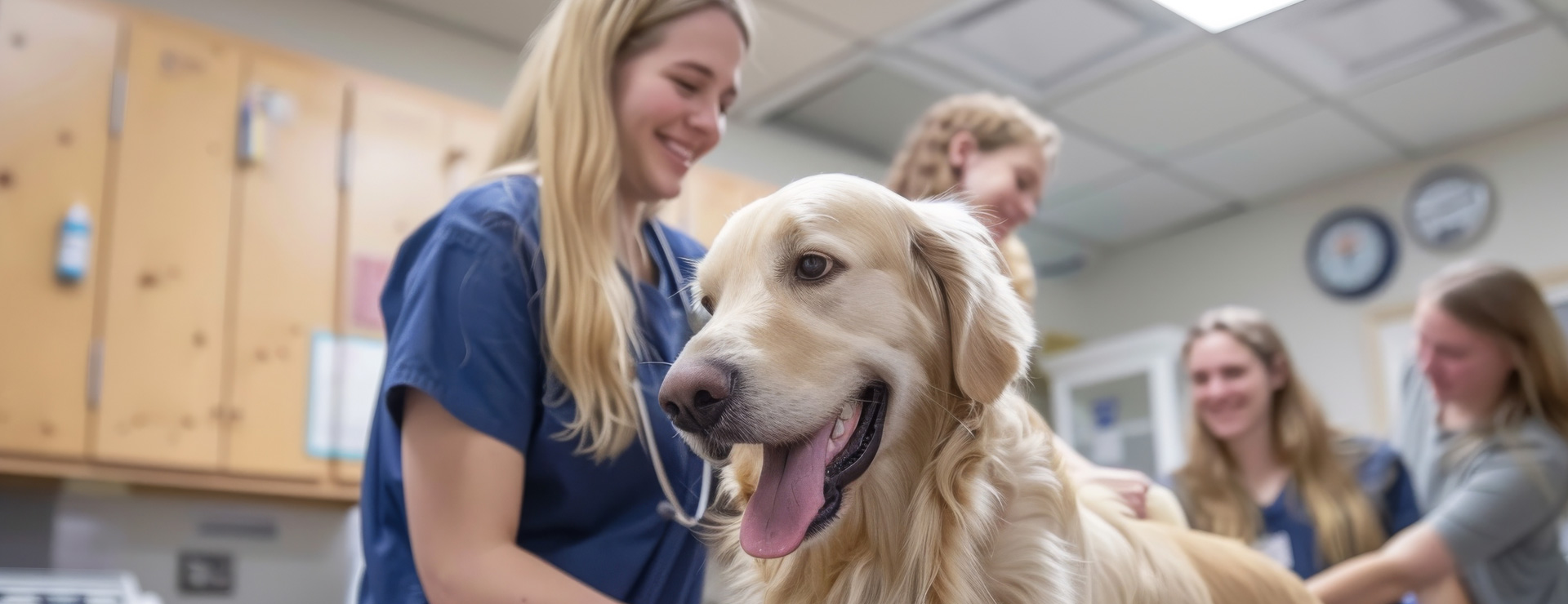
Why Is My Dog or Cat Scratching So Much? How Our Amherst Vets Check Itchy Ears and Skin


It starts with a little scratching. Then you notice your dog shaking their head, your cat rubbing an ear on the furniture, or the sound of licking keeping you up at night. Itchy ears and skin are uncomfortable for pets, and the cause is not always obvious from the outside.
At Cumberland County Animal Hospital in Amherst, Nova Scotia, we use in-house ear and skin cytology, parasite screening and a thorough exam to find out what is going on. This guide explains the signs to watch for, how we look for the cause, and how we build a plan to help your pet feel better.
Signs your pet's ears or skin are bothering them
- Scratching at the ears, face or body more than usual
- Shaking the head or tilting it to one side
- Rubbing the face or ears on the floor or furniture
- Licking or chewing at the paws, legs or belly
- Redness, a bad smell or discharge from the ears
- Changes in the coat, such as hair loss or dull, flaky skin
If you notice any of these, book an appointment so we can take a look. Write down when it started and anything that seems to make it better or worse, and bring a list of any medications or supplements your pet takes.
How we look for the cause
A full physical exam
We start with a detailed physical assessment and look closely at your pet's ears, skin and coat. We also ask about diet, lifestyle and any recent changes at home, since these are part of every wellness exam we do.
Ear and skin cytology
Ear and skin cytology is one of the diagnostic services in our in-house laboratory. A small sample is taken from the ear or skin and examined under the microscope so we can see what is there. Because the test is done in-house, we can often review the results quickly and use them to guide treatment. You can learn more in our post on in-house lab testing and digital x-rays.
Parasite screening
Fleas, ticks and other parasites can all affect pets in Cumberland County. Parasite screening is part of our diagnostic services, and it helps us rule parasites in or out as part of the picture.
Building a treatment plan for your pet
Once we determine a diagnosis, we create a personalized treatment plan tailored to your pet's needs. That plan may include medication, changes to parasite prevention, or dietary recommendations. Our team provides diet advice based on your pet's unique needs, including special diets or supplements for specific health conditions.
We also follow up to make sure your pet responds well to treatment. If something needs to change, we adjust the care plan. Because the right treatment depends on the cause, it is best to have your pet examined before starting any leftover medication from a past problem.
Help prevent itchy skin and ear problems
- Stay on year-round flea and tick prevention. Our Amherst vets recommend year-round protection. Read our guide to flea, tick and heartworm prevention.
- Keep up with grooming. Regular grooming helps prevent mats and removes debris from the coat. See our post on essential dog grooming.
- Keep wellness exams on schedule. Yearly exams help us spot skin and ear changes early.
- Use the Pet Portal. Our Pet Portal lets you check vaccination due dates and request medication refills.
Ear and skin checks at home visits and remote clinics
If your pet finds it hard to travel to the clinic, our team can still help. Skin and ear cytology sampling is part of our Tuesday house calls within Amherst town limits, and our monthly remote clinics in Tatamagouche and quarterly remote clinics in Parrsboro. Read more about vet care beyond the clinic.
Common questions about itchy ears and skin
Why is my dog scratching its ears?
There can be more than one reason, so it is best to have your dog examined. At Cumberland County Animal Hospital in Amherst, we use a physical exam, ear cytology and parasite screening to find the cause and create a treatment plan.
What is ear and skin cytology?
Ear and skin cytology is a test in which a small sample from the ear or skin is examined under the microscope. We perform it in our in-house laboratory, which helps us guide treatment quickly.
Can you check my pet's ears or skin during a house call?
Yes. Skin and ear cytology sampling is included in the services offered during our Tuesday house calls within Amherst town limits and at our remote clinics in Tatamagouche and Parrsboro.
Can diet affect my pet's skin?
Nutrition is a key part of preventive care. Our team provides dietary recommendations based on your pet's needs, including special diets or supplements for specific health conditions.
Book an itchy ear or skin exam in Amherst
Cumberland County Animal Hospital is a CVMA and NSVMA accredited hospital at 16 Ancestral Drive in Amherst, Nova Scotia, open Monday to Friday from 8:00am to 6:00pm. If your dog or cat cannot stop scratching, call (902) 612-2520 or book an appointment. Learn more about our diagnostic services.


The Latest
Indoor cats enjoy longer, healthier lives. Discover tips for keeping your cat safe, happy, and mentally engaged inside all year round.
Regular grooming is essential for your pet’s health, preventing mats, promoting a shiny coat, and removing debris. Trust professionals to ensure effective grooming.
Ensure a safe Halloween for your pets by keeping them away from chocolate, candy, and decorations that could be harmful or toxic to them.