


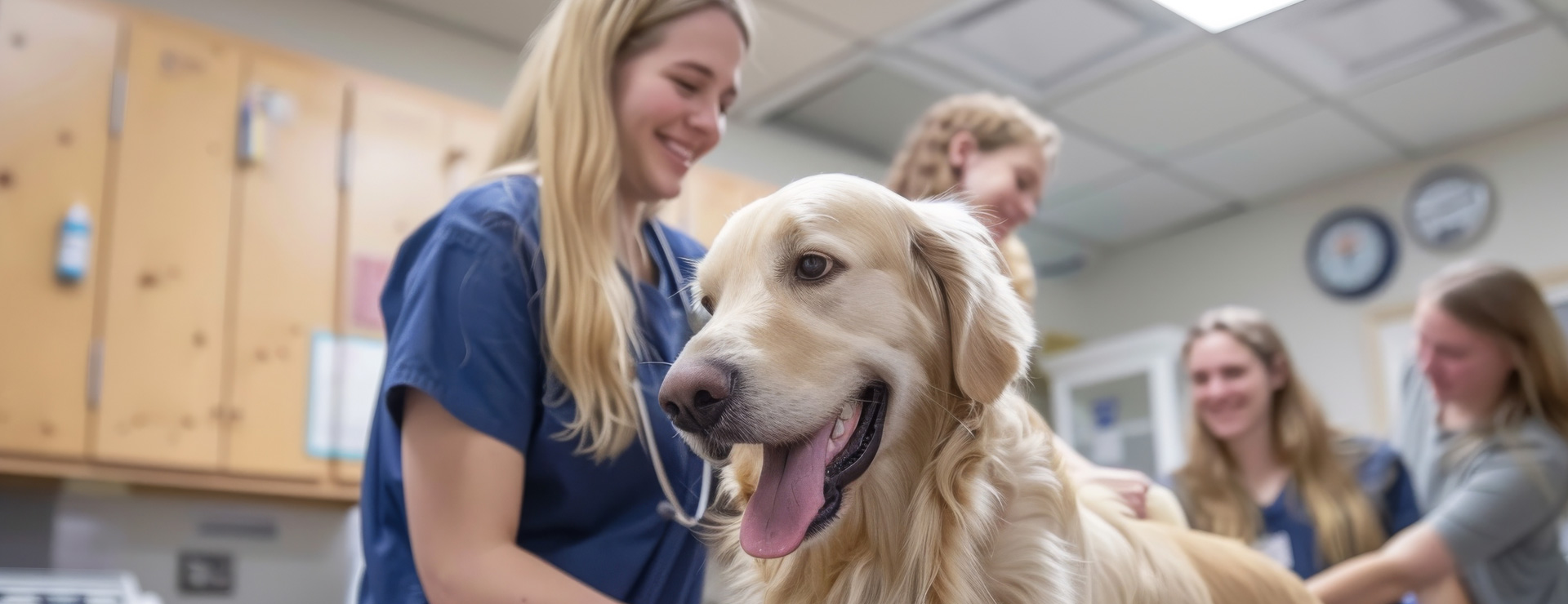
Is Anesthesia Safe for My Dog or Cat? How Our Amherst Vets Prepare Pets for Surgery


Hearing that your dog or cat needs surgery can be stressful, and one of the first questions most people ask is about anesthesia. Will my pet be safe? What happens while they are asleep? How will they feel afterward? These are good questions, and we want you to ask them.
At Cumberland County Animal Hospital in Amherst, Nova Scotia, we perform a full range of surgical services in our own surgical suite, from routine spays and neuters to soft tissue surgeries like lump removal and eye surgery. This guide walks you through how we prepare your pet for surgery and keep them safe from start to finish.
How we keep your pet safe under anesthesia
Your pet's well-being is our priority during surgery. Here is what that looks like at our hospital:
- A complete physical exam. Before any procedure, one of our veterinarians examines your pet from nose to tail.
- Pre-anesthetic tests. Testing before surgery gives us a clearer picture of your pet's health so we can plan their anesthesia. Our in-house laboratory helps us get results quickly.
- Anesthesia chosen for your pet. We carefully select anesthesia based on your pet's individual needs instead of using a one-size-fits-all approach.
- Close monitoring during surgery. We watch your pet's condition closely for the entire procedure.
- Pain management through recovery. Pain control does not stop when surgery ends. It continues while your pet recovers.
Common surgeries we perform in Amherst
- Spaying and neutering. Spaying helps prevent pregnancy, infections, reproductive diseases and certain cancers. Neutering reduces the likelihood of prostate and testicular cancers and decreases behaviours like roaming, fighting and spraying. Read our guide to spay and neuter surgery.
- Lump and mass removal. Soft tissue surgery to remove masses is something we do often. Early detection and removal matter in case a mass is cancerous. Read more in Found a Lump on Your Dog or Cat?.
- Eye surgery. Surgery for conditions like chronic eye infections or entropion can improve comfort and vision while reducing scarring. See our guide to pet eye problems.
For advanced operations that require specialized training or equipment, we refer patients to board-certified veterinary surgeons so they get the right care.
How to prepare your pet for surgery day
A little planning makes surgery day smoother for you and your pet.
- Follow our pre-surgery instructions. We will tell you what to do about food, water and any medications before surgery. Following those instructions closely is one of the most helpful things you can do.
- Tell us about medications and changes. Let us know about any medications or supplements your pet takes, and about any recent changes in their health or behaviour.
- Write down your questions. Bring them to the drop-off. We love questions, and we would rather answer them before surgery than have you worry.
- Get a quiet recovery space ready. A calm, comfortable spot at home makes the first few days easier.
- Plan for the cost. If you would like to spread out the cost of surgery, we offer payment plans through Humm, including 6 and 12 month zero-interest plans on eligible purchases. Learn how Humm financing for vet care works.
What happens on surgery day
Your pet will be monitored closely throughout the day and given recovery care after their procedure. When it is time to go home, we review the post-surgery care instructions with you and address any concerns. Our team also likes to follow up after appointments to make sure your pet is doing well.
Helping your pet recover at home
- Follow the home care instructions. These are written for your pet and their procedure, so keep them handy.
- Give medications as directed. If we send pain medication home, give it exactly as prescribed.
- Keep things calm. Follow our guidance on rest and activity while your pet heals.
- Call us if something seems off. If you are worried about your pet during recovery, call us at (902) 612-2520. After hours, emergencies are referred to Riverview Animal Health Centre at 506-387-4015.
Frequently asked questions
Is anesthesia safe for my dog or cat?
Every anesthetic procedure carries some risk, which is why we take careful steps to keep pets safe. We perform a complete physical exam and pre-anesthetic tests, select anesthesia suited to your pet, monitor your pet closely throughout surgery and maintain pain management during recovery.
Why does my pet need tests before surgery?
Pre-anesthetic tests give us a clearer picture of your pet's health before they go under anesthesia, which helps us plan the safest approach for your pet.
Should I feed my pet before surgery?
Follow the pre-surgery instructions our team gives you about food, water and medication. If you are not sure what to do, call us before surgery day.
Will spaying or neutering change my pet's personality?
No. Spaying will not affect your pet's personality. Neutering can decrease behaviours like roaming, fighting and spraying.
What if my pet needs a more advanced surgery?
For advanced operations that require specialized training or equipment, we refer patients to board-certified veterinary surgeons.
Talk to our Amherst team about your pet's surgery
Cumberland County Animal Hospital is a CVMA and NSVMA accredited hospital at 16 Ancestral Drive in Amherst, Nova Scotia, open Monday to Friday from 8:00am to 6:00pm. If your pet has an upcoming surgery or you have questions about anesthesia, call (902) 612-2520 or book an appointment. Learn more about our surgical services.


The Latest
Indoor cats enjoy longer, healthier lives. Discover tips for keeping your cat safe, happy, and mentally engaged inside all year round.
Regular grooming is essential for your pet’s health, preventing mats, promoting a shiny coat, and removing debris. Trust professionals to ensure effective grooming.
Ensure a safe Halloween for your pets by keeping them away from chocolate, candy, and decorations that could be harmful or toxic to them.