


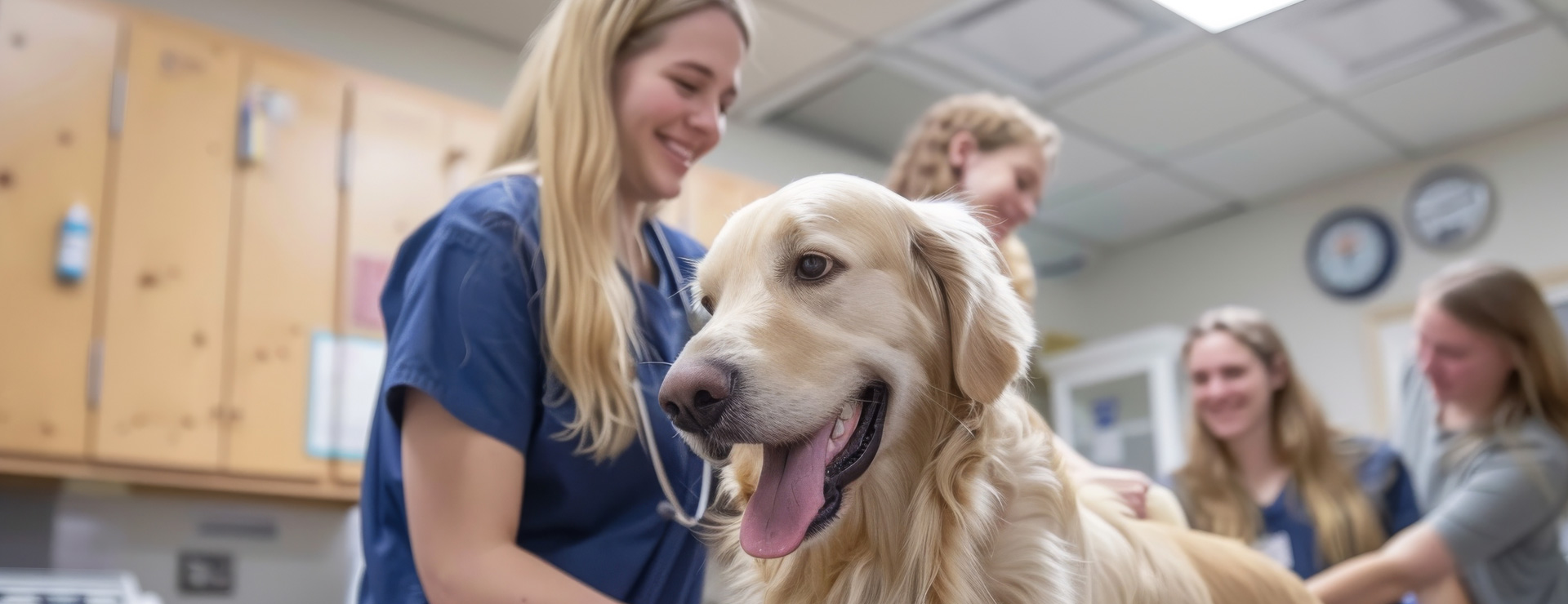
Why Is My Dog or Cat Acting Differently? When a Behaviour Change Means a Vet Visit


You know your pet better than anyone. So when your easygoing dog suddenly snaps when you touch her, or your social cat starts hiding under the bed, you notice. A change in behaviour is often the first clue that something is not right.
At Cumberland County Animal Hospital in Amherst, Nova Scotia, we pay close attention to behaviour, because your pet's behaviour often reflects their overall well-being. This guide explains which changes are worth a call, what can be behind them and how our veterinarians help.
Why behaviour changes matter
Pets cannot tell us when they are uncomfortable, so discomfort often goes unnoticed. Instead, it can show up as a change in how they act. Dental pain is a good example. Many dental problems develop beneath the gum line where you cannot see them, and they can cause pain, difficulty eating and even changes in behaviour. Read more in our guide to pet dental care.
Behaviour changes worth a vet visit
Book an appointment if you notice changes like these, especially if they come on suddenly or do not go away:
- Grumpiness or aggression. Growling, snapping, hissing or pulling away when touched.
- Hiding or withdrawing. Spending more time alone or avoiding the family.
- Changes in eating. Eating less, chewing on one side or dropping food.
- New anxiety. Pacing, restlessness or seeming nervous in situations that never bothered them before.
- Less interest in play or walks. Slowing down, sleeping more or not wanting to move.
- Constant scratching, licking or head shaking. These can point to itchy ears or skin. See why your pet may be scratching so much.
- Roaming, fighting or spraying. These behaviours can be linked to whether a pet is spayed or neutered.
If your pet is in obvious pain, having trouble breathing or has had a sudden injury, treat it as urgent and call us at (902) 612-2520. After hours, all emergencies are referred to Riverview Animal Health Centre at 506-387-4015.
How our Amherst vets look into behaviour changes
We start by listening. Tell us what has changed, when it started and anything else that is new at home. Then we do a thorough physical exam to look for signs of pain or illness.
When needed, we recommend diagnostic testing such as blood work, urinalysis, fecal exams or imaging like x-rays. These tools help us evaluate organ function and detect hidden conditions. Our in-house laboratory means we can often get results quickly.
Our veterinarians are experienced in identifying and addressing behavioural issues like anxiety or aggression, and we offer guidance to improve your pet's quality of life. We also give lifestyle advice tailored to your pet's breed, age and activity level, including tips on exercise, mental stimulation and socialization.
Does spaying or neutering change behaviour?
Spaying will not change your pet's personality. Neutering decreases behaviours such as roaming, fighting and spraying, and it helps manage pet overpopulation. If you are seeing these behaviours in an intact pet, ask us about spay and neuter surgery.
Options for nervous pets
Some pets get anxious just getting into the car. For these pets, our in-home visits can help. Every Tuesday from 1:00pm to 4:00pm, we offer scheduled house calls within Amherst town limits for nervous pets, pets who dislike travelling, senior animals and pets who find it hard to get to the clinic. Home visits include wellness exams, vaccinations, medical injections, blood collection, skin and ear cytology sampling, eye checks and more. Learn more about our house calls and remote clinics.
Behaviour changes in senior pets
Older pets can slow down or act differently as they age, but not every change should be written off as old age. Regular checkups help us catch problems early. Read our guide to caring for senior dogs and cats.
Frequently asked questions
Why is my dog acting differently all of a sudden?
A sudden change in behaviour can be a sign of pain, illness or stress. Pets cannot tell us when they are uncomfortable, so behaviour changes are often the first clue. Book an exam so a veterinarian can look for the cause.
Can pain make my pet aggressive?
Pets in discomfort may react differently when touched. Dental pain, for example, can cause difficulty eating and changes in behaviour. A physical exam can help find the source.
Why is my cat hiding all the time?
Hiding can be a sign that a cat is unwell or stressed. If your cat is hiding more than usual, especially along with changes in eating or activity, book an exam.
Can a vet help with pet anxiety?
Yes. Our veterinarians are experienced in identifying and addressing behavioural issues like anxiety or aggression and can offer guidance to improve your pet's quality of life.
Do you offer vet visits at home for anxious pets in Amherst?
Yes. We offer scheduled house calls every Tuesday from 1:00pm to 4:00pm within Amherst town limits. Call the hospital to book.
Book a visit in Amherst
Cumberland County Animal Hospital is a CVMA and NSVMA accredited hospital at 16 Ancestral Drive in Amherst, Nova Scotia, open Monday to Friday from 8:00am to 6:00pm. If your dog or cat is acting differently, call (902) 612-2520 or book an appointment. Learn more about our wellness care.


The Latest
Indoor cats enjoy longer, healthier lives. Discover tips for keeping your cat safe, happy, and mentally engaged inside all year round.
Regular grooming is essential for your pet’s health, preventing mats, promoting a shiny coat, and removing debris. Trust professionals to ensure effective grooming.
Ensure a safe Halloween for your pets by keeping them away from chocolate, candy, and decorations that could be harmful or toxic to them.